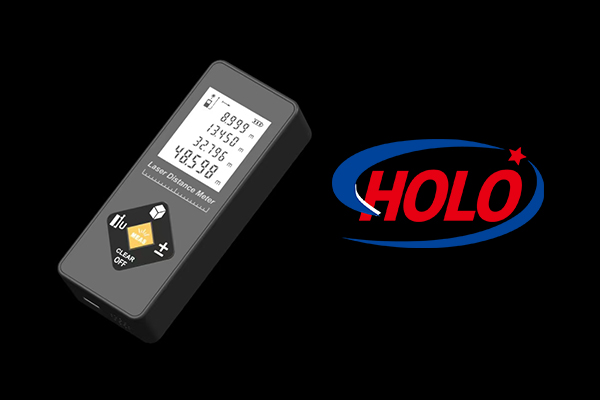
Laser measurement technology has revolutionized industries by providing unparalleled precision and efficiency. From construction to manufacturing, lasers enable accurate distance, speed, and position measurements, enhancing productivity and safety. As we look ahead, advancements in this field promise to reshape how we interact with technology and the physical world.
Current Applications and Limitations
Today, laser measurement tools are indispensable across multiple sectors. In construction, laser levels ensure precise alignment for buildings and roads, reducing errors and saving time. Manufacturing relies on laser micrometers for quality control, detecting minute defects in products. Medical applications include non-invasive procedures like laser eye surgery, which corrects vision with extreme accuracy. However, limitations persist. Traditional lasers often struggle with environmental interference, such as dust or humidity, which can distort readings. Additionally, bulky equipment and high costs restrict accessibility, particularly for small businesses or remote areas.
Emerging Trends and Innovations
The future of laser measurement technology is being shaped by several groundbreaking trends. One key innovation is the integration of Artificial Intelligence (AI). AI enhances laser systems by enabling real-time data analysis and adaptive calibration. For example, smart lasers can adjust their settings automatically based on environmental conditions, improving accuracy in dynamic settings like construction sites or factories. Another trend is miniaturization. Advances in nanotechnology are leading to smaller, more portable laser devices. These compact tools maintain high precision while being easier to use in field applications, such as surveying or medical diagnostics. Additionally, green lasers are gaining prominence due to their energy efficiency and reduced environmental impact. Compared to traditional red lasers, green lasers offer better visibility and lower power consumption, making them ideal for sustainable practices.
Future Prospects and Potential Impact
Looking ahead, laser measurement technology will likely become more accessible and versatile. AI-driven systems will enable autonomous operations, where lasers can self-monitor and optimize performance without human intervention. This autonomy will be crucial in industries like robotics, where precise measurements are essential for automation. Miniaturized lasers will expand into consumer markets, empowering individuals with tools for DIY projects or personal health monitoring. Green lasers will support global sustainability efforts by reducing energy waste in industrial processes. The potential impact is profound: enhanced precision will drive innovation in sectors from space exploration to healthcare, while improved accessibility will democratize technology, benefiting communities worldwide.
In conclusion, laser measurement technology is on a transformative trajectory. By overcoming current limitations through AI, miniaturization, and eco-friendly designs, the future holds promise for smarter, more efficient, and widely accessible tools. These advancements will not only elevate industry standards but also enrich everyday life, making precision measurement a cornerstone of progress.